destination
Living in Moraira: El Portet, the Castle and the Costa Blanca's Most International Cove
A genuine guide to Moraira: the crescent cove of El Portet, the 18th-century castle on l'Ampolla, the Cap d'Or watchtower, the fishing port and moscatel, and the Moros y Cristianos on the beach.
On this page
- 1.From watchtower to moscatel to villas
- 2.The beaches and the coves
- 3.The port, the market and the moscatel
- 4.Outdoors, all year
- 5.The areas: who lives where
- 6.What living here costs, in feel
- 7.Healthcare
- 8.Getting here and staying connected
- 9.The year-round question, answered honestly
- 10.When you fall for it
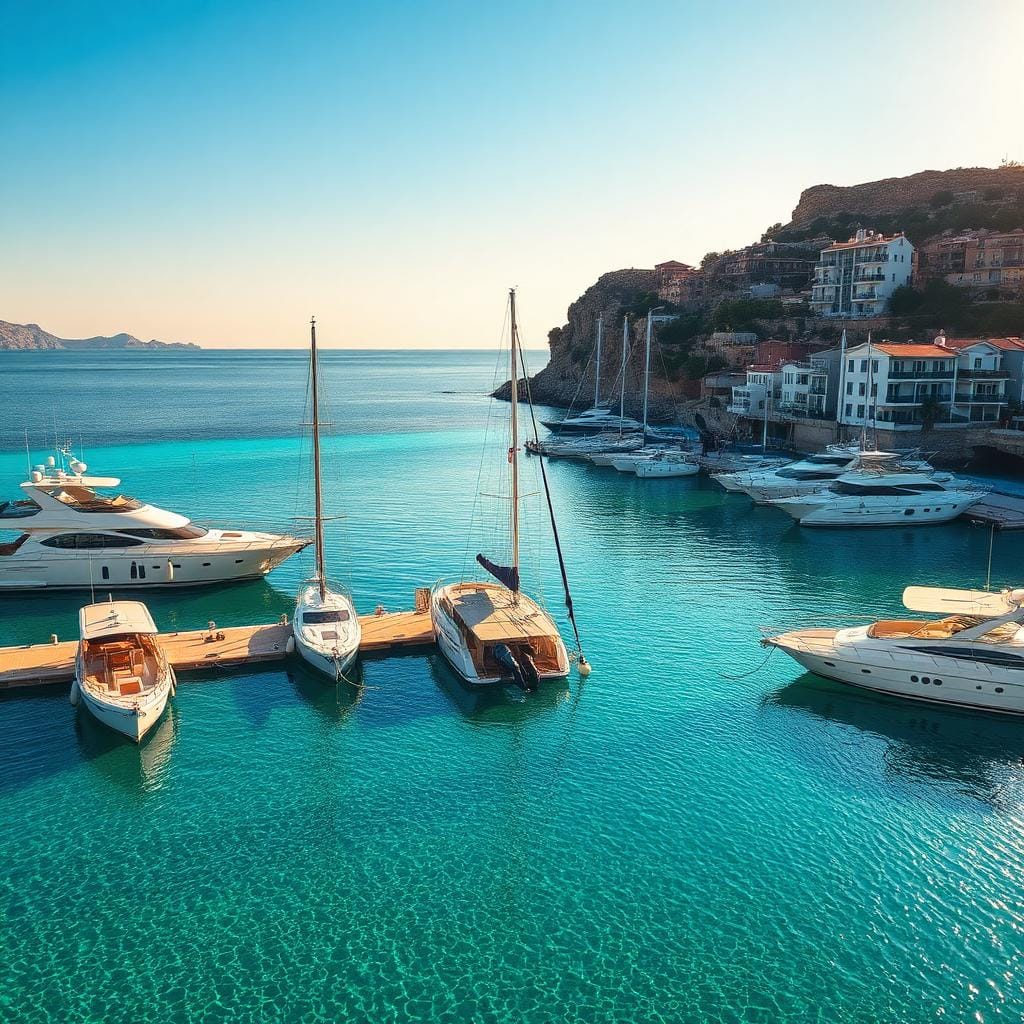
There is a moment, usually on the walk out of the village towards El Portet, when Moraira does its trick. The road bends, the pines open up, and the whole crescent of the cove appears at once, water so clear you can count the shadows of the kayaks on the sand. I have had that view in front of me my whole life and it still stops me.
So, a bit about who is writing this. My name is Daniel Bertomeu. I grew up here and I work here as a tax advisor. My father Juan has had his law office in the village since 1991, a few streets back from the seafront. I am not writing about Moraira from a desk somewhere far away.
This is my town, and this is written for the people who tend to fall for it. British, German, Dutch and Belgian couples, mostly, wondering whether Moraira is the place to retire, to work remotely for a few years, or to finally buy the house they have been promising themselves.
So here is what I want to walk you through. A bit of history first, then the beaches, the food, the outdoors. Then the actual neighbourhoods and who lives where, and what daily life costs, in feel rather than spreadsheets. Healthcare, getting here, and at the end the question everyone asks me the moment they hear I am local. Is Moraira alive in winter.
From watchtower to moscatel to villas
Moraira did not start as a resort. It started as the fishing quarter of Teulada, the farming town on the hill behind us, and for centuries the sea here meant danger as much as dinner. The watchtower on Cap d'Or, the headland that closes El Portet, was built in the era of Felipe II to spot pirate sails coming up the coast. The squat little castle on l'Ampolla beach followed in 1744, and it is still the postcard of the town.
Inland, the story was grapes. The terraces between Teulada and Benissa grow moscatel, and the sweet wine and the raisins from those vines paid for a lot of the old houses you see in both villages.
Then the sixties and seventies arrived, northern Europeans discovered the coves, and Moraira slowly became what it is now. A villa town, built low and spread through the pines. No tower blocks. And honestly, nobody here wants them.
Today the mix is remarkable even by Costa Blanca standards. In the municipality of Teulada-Moraira, 64.9 percent of registered residents were foreign nationals in the latest INE data from January 2025. Almost two out of three of my neighbours came here from somewhere else, mostly Britain, Germany, the Netherlands, Belgium and the Nordics, and they stayed for good.
The beaches and the coves
The town beach is l'Ampolla. Sand rather than pebbles, shallow for a long way out, with the castle at one end and the marina at the other. It is the family beach, the one with the easiest parking and the summer crowds.
El Portet is the famous one, and it deserves to be. A near perfect crescent under Cap d'Or, blue flag, calm as a swimming pool most mornings, with a line of low restaurants at the back of the sand. Swim out early, before the paddleboards arrive, and you will understand every price ever paid for a villa on that hillside.
Between and beyond the two you have the smaller coves. Les Platgetes and l'Andragó are rockier and quieter, better for snorkelling than for sandcastles. Cala Llebeig, further south, you earn on foot down an old fishermen's path, and honestly it is worth every step. And just around the corner in the next municipality sits Cala del Moraig, the dramatic one with the cliff and the cave. That one is technically Benitachell rather than Moraira, ten minutes by car.
The port, the market and the moscatel
Moraira still lands fish. The fishermen's guild has run the port since 1929, and on weekday afternoons the day's catch goes through the lonja auction by the marina. That is why the seafood in the restaurants here is not a marketing line. The red prawn from the bay next door in Dénia is the celebrity, but ask for whatever came in that day and you will eat better and pay less.
The dish to order is arroz a banda, the fishermen's rice, cooked in the stock of the fish that used to be too ugly to sell. Every kitchen on this coast argues about who makes it best, and you are welcome to pick a side.
Friday morning is market day. The stalls fill the car park behind the village and you will hear English, German and Dutch across the fruit crates as much as Spanish. And when someone offers you a glass of mistela, the sweet local moscatel, say yes. The cooperative up in Teulada has been making it for generations and it tastes like the hills it comes from.
Outdoors, all year
The walk everyone should do first is Cap d'Or. It is a short climb through the pines to the watchtower, with the whole bay laid out below and a prehistoric cave, the Cova de la Cendra, tucked into the cliff. Do it at sunrise in July or at noon in January. Both work, which tells you something about the climate here.
After that, take your pick. Snorkelling off Les Platgetes, kayaking around the headland to Cala Llebeig, sailing and padel through the clubs by the port, a small golf course over by San Jaime. And serious road cycling in the hills behind Benissa, where half the pros of northern Europe seem to train in winter. None of it closes in October.
The areas: who lives where
Where exactly you live here matters more than most visitors realise. Moraira is really a town of neighbourhoods, and they are not interchangeable. Different feel, different prices, and honestly some of them almost have their own accent.
El Portet is the premium corner. Frontline and hillside villas above the cove, a strong British, German, Dutch and Belgian presence, and the scarcest supply in town. Frontline houses here often trade above a million euros, and when one does come up it tends to go quickly.
Pla del Mar is the walk-to-town prestige belt between the village, the castle and the marina. Villas and apartments from around 500,000 euros. The real prize here is doing everything on foot: beach, bakery, dinner, home.
Then the village centre and the streets behind it. Apartments and townhouses, and this is the option people underrate until they realise they can live here without touching the car for a week.
Benimeit, on the hillside behind town, is where you hear the most German and Dutch. Sea-view villas from around 650,000 euros, quiet streets, and that famous long view across to the Peñón de Ifach.
Moravit and Cap Blanc run along the rocky coast south of town, private and leafy, villas from several hundred thousand euros up past a million. Pinar de l'Advocat sits near Les Platgetes, practical and residential, villas from around 650,000 euros and apartments and townhouses for noticeably less. San Jaime, by the golf, is calmer and often better value.
And then Cumbre del Sol, the big resort-style urbanisation on the cliffs, with apartments from around 165,000 euros up to villas above three million. Here is one local truth worth knowing early. Cumbre del Sol belongs to the municipality of Benitachell, not Teulada-Moraira, and which town hall a property answers to genuinely matters when you buy. It changes the paperwork. It is exactly the sort of thing my father Juan checks on a purchase, and the kind of small detail nobody warns you about until it is your problem.
Found the corner of Moraira that feels like yours? Our Buying Property in Moraira guide explains how the legal side works for non-residents, step by step, from the first offer to the keys.
What living here costs, in feel
I promised no spreadsheets, so here is how it feels instead. Property is the premium item. Moraira is one of the more expensive towns on this coast, and the areas above tell you why. But then people ask me, so is everyday life expensive too? Well, honestly, no. Coming from London, Munich or Amsterdam, most of my neighbours find daily life cheaper than they expected.
A long lunch with wine still costs less than a forgettable meal back home. The Friday market keeps the fruit bill low, the supermarkets carry every product the international community misses, and a coffee with a sea view is still one of Spain's great bargains. Utilities are the usual Spanish story. You pay for air conditioning in August and a couple of months of heating in winter, and that is about it. Community fees are the one that really moves, and it depends on your urbanisation. Lifts, pools and gardens all cost money to keep, so the more your community has, the more you pay.
One thing to plan for. Owning a home here as a non-resident comes with a small annual tax filing even if you never rent the place out, and our Modelo 210 page explains it in plain English.
Healthcare
This matters to almost everyone who moves here, so let me be practical. Moraira has its own public health centre in the village for everyday care, and the reference public hospital for the whole Marina Alta is in Dénia, about twenty-five minutes by car. Around those sit a dense network of private clinics, dentists and specialists in Moraira, Teulada and the neighbouring towns, and English and German are spoken routinely in most of them.
Most international residents I know run a mix. State cover where they are entitled to it, private insurance for speed and for the comfort of being understood in their own language. Pharmacies are everywhere, and the Spanish pharmacist will solve half of life's small problems on the spot.
Getting here and staying connected
The first thing people worry about is the airport run. Alicante airport is about an hour and a quarter by car, Valencia about an hour and a half, and between them they cover the UK, Germany, the Netherlands and Belgium with year-round routes. There is no train in Moraira itself, but the coastal TRAM line between Dénia and Benidorm stops up in Teulada, and from Benidorm you can connect onwards to Alicante.
Day to day, you will want a car for anything beyond the centre. The compensation is what sits within an hour of you. Jávea and Dénia to the north, Calpe and Altea to the south, the Jalón valley wine villages inland.
A word for the remote workers. Fibre reaches the town and most of the established urbanisations, though the coverage on a specific street is always worth checking before you commit to a house. Plenty of people now run northern European careers from a terrace in Benimeit, and the time zone works in your favour for UK calls.
The year-round question, answered honestly
Yes, Moraira lives in winter. Not at August volume, and nobody would want that, but the international community here is resident, not seasonal, and the town is built around that fact. The Friday market runs all year, and a solid core of restaurants never closes. The walking groups, the padel courts and the clubs are busiest precisely when the weather up north is at its worst. The quietest fortnight is late January, and even then you will queue for Sunday lunch at the popular places.
Summer is the other face. The population multiplies, the coves fill, and in mid June the town throws its Moros y Cristianos festival, days of costumed parades that end with a mock Moorish landing on l'Ampolla beach at night, boats, torches and all. Locals will tell you no other town in the region stages the landing in the dark. Book a dinner table on the front that week months ahead.
Now, if your plan is to be here part of the year and let the house work for you the rest, one sentence of realism. Short-term rental in this region needs a licence, whether a specific house can qualify is a street-by-street question, and our free tourist licence Zone Checker plus the tourist rental licence guide will tell you where things stand before you fall in love with the wrong property.
When you fall for it
Nobody really picks Moraira off a brochure. They come for a holiday, they walk out to El Portet one evening, and by the time they walk back they are already arguing about which house. I have watched it happen my whole life. It happened to two thirds of my neighbours.
When it happens to you, the boring part is where we come in. I handle the tax side of life here. My father Juan, the lawyer of the family, has been guiding foreign buyers through their Moraira purchases from his office in the village since 1991. Start with the Buying Property in Moraira guide, see what happens after you buy, or put a face to the names on who we are and our videos and guides.
One last thing. We are putting together a full Moraira magazine guide, a proper downloadable one. The coves and the restaurants, maps and market days, plus the practical pages you will actually use, from getting your NIE to the owner's calendar for the year. If you would like a copy when it is ready, tell us through the contact form and we will send it over.
Frequently asked questions
Is Moraira a good place to live all year round?
Yes. The foreign community in Teulada-Moraira is resident rather than seasonal, so the town stays alive in winter: the Friday market runs all year, a core of restaurants never closes, and clubs and walking groups are busiest in the cooler months. The quietest stretch is late January.
Which areas of Moraira do British, German and Dutch residents prefer?
El Portet and Pla del Mar are the premium corners close to the water and the village. Benimeit on the hillside has a strong German and Dutch presence. The village centre suits people who want to live on foot, while Moravit, Cap Blanc, Pinar de l'Advocat and San Jaime offer quieter villa living. Cumbre del Sol is nearby but belongs to the Benitachell municipality, which matters legally when you buy.
Do I need a car in Moraira?
Realistically yes, unless you live in the village centre. There is no train in Moraira itself; the coastal TRAM stops up in Teulada, and Alicante airport is about an hour and a quarter by car.
What is healthcare like in Moraira?
There is a public health centre in the village for everyday care, the reference public hospital for the Marina Alta is in Dénia about twenty-five minutes away, and private clinics with English and German widely spoken operate throughout Moraira and Teulada.
Can I rent out my Moraira home when I am not using it?
Sometimes, but short-term rental in this region needs a licence and eligibility depends on the specific property and street. Run the address through our free tourist licence Zone Checker and read the tourist rental licence guide before you buy with rental income in mind.
Is Moraira expensive?
Property is premium for the Costa Blanca, especially near El Portet and the village. Daily life is a different story: eating out, markets and services generally cost noticeably less than in the UK, Germany or the Netherlands. Owning as a non-resident also brings a small annual tax filing, explained on our Modelo 210 page.
Continue reading
Daniel Bertomeu Quiles · Asesor fiscal · AEDAF nº 06838 · APAFCV nº 3080
Tax advisor, member of AEDAF and APAFCV, focused on non-resident taxation, the Beckham Law and property purchases for international clients in Moraira and the Costa Blanca North.
Meet the teamThis article is general information, not legal or tax advice for your specific case, and it does not create a lawyer-client relationship. Rules and rates can change. Confirm your own situation with a professional before acting.